If you are thinking about moving to Mountain View, daily life probably matters just as much as square footage or commute time. You want to know what it actually feels like to run errands, get outside, meet friends, and move through the week without everything turning into a long drive. The good news is that Mountain View offers a mix of walkable urban living, established residential areas, and strong access to parks, trails, and transit. Let’s take a closer look at what everyday life in Mountain View can really look like.
A City That Feels Connected
Mountain View is a little over 12 square miles and home to about 86,500 residents, according to the city’s Discover Mountain View page. Even though it sits in the middle of Silicon Valley, the city has a more connected feel than many nearby communities because so much of daily life centers around a compact downtown, neighborhood parks, and a transportation network that supports more than just driving.
The city is also surrounded by more than 1,000 acres of park and wildlife areas. That shapes everyday routines in a real way. You are not limited to indoor errands and commute corridors. Instead, outdoor access is built into the local lifestyle.
Downtown Life Centers on Castro Street
If you picture Mountain View in your head, there is a good chance you are picturing Castro Street. The city describes downtown as a mixed-use, walkable center between Evelyn Avenue and El Camino Real, with restaurants, shopping, performing arts, transit, a civic center, and public gathering spaces, all within a pedestrian-oriented setting. You can see that reflected in the city’s downtown overview.
One of the most distinctive parts of everyday life here is that the 100, 200, and 300 blocks of Castro Street function as a pedestrian mall. That changes the pace of the area. Instead of feeling like a pass-through commercial strip, downtown is designed for strolling, outdoor dining, and spending time there.
For many residents, that means a normal week can include grabbing coffee, browsing local shops, meeting friends for dinner, or heading to a performance without needing a big plan. The city also highlights the Mountain View Center for the Performing Arts, public library, Civic Center Plaza, Farmers Market, and seasonal events as part of downtown life, which gives the area a steady civic and social rhythm.
Neighborhood Feel Varies by Area
One of the most helpful things to know about Mountain View is that it does not feel the same from one area to the next. Your day-to-day experience can look very different depending on where you live.
Central Mountain View Feels Most Urban
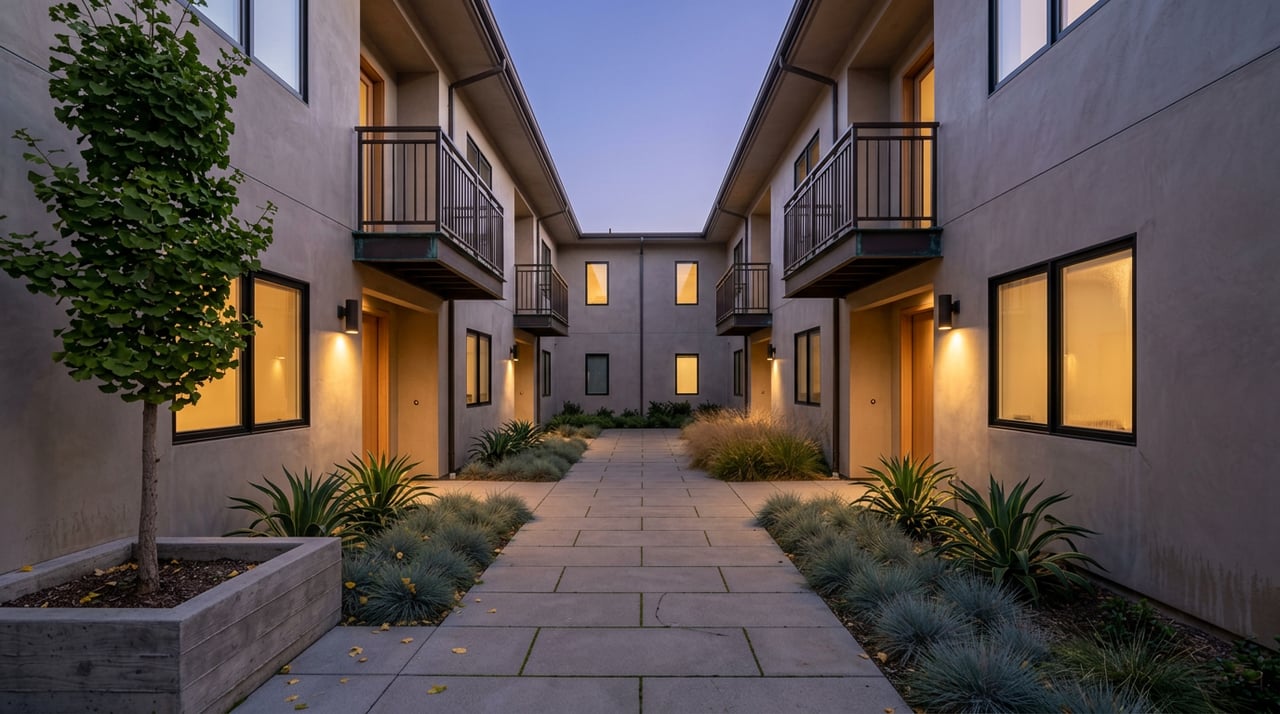
City planning materials describe the Central Neighborhood as the densest and most diverse urban area in Mountain View, centered on Castro Street and the Downtown Mountain View Transit Center. It is defined by mixed-use development, walkability, transit access, open space, and pedestrian-oriented streets.
If you want a lifestyle where dining, transit, and daily errands are close at hand, this is the part of Mountain View that most strongly delivers that experience. It is the city’s most urban-feeling residential environment.
California Street Supports Daily Errands
The California Street corridor is another area where practical day-to-day living stands out. The city describes it as a major connection between downtown and destinations like San Antonio Shopping Center, Rengstorff Park and Community Center, the Mountain View Senior Center, and the Teen Center.
Because it includes multi-family housing, rent-stabilized units, Community Shuttle service, and VTA bus routes, this corridor is one of the clearest examples of how housing, transit, and errands can line up along a single route. For renters especially, that can be an important quality-of-life advantage.
Traditional Residential Areas Feel More Suburban
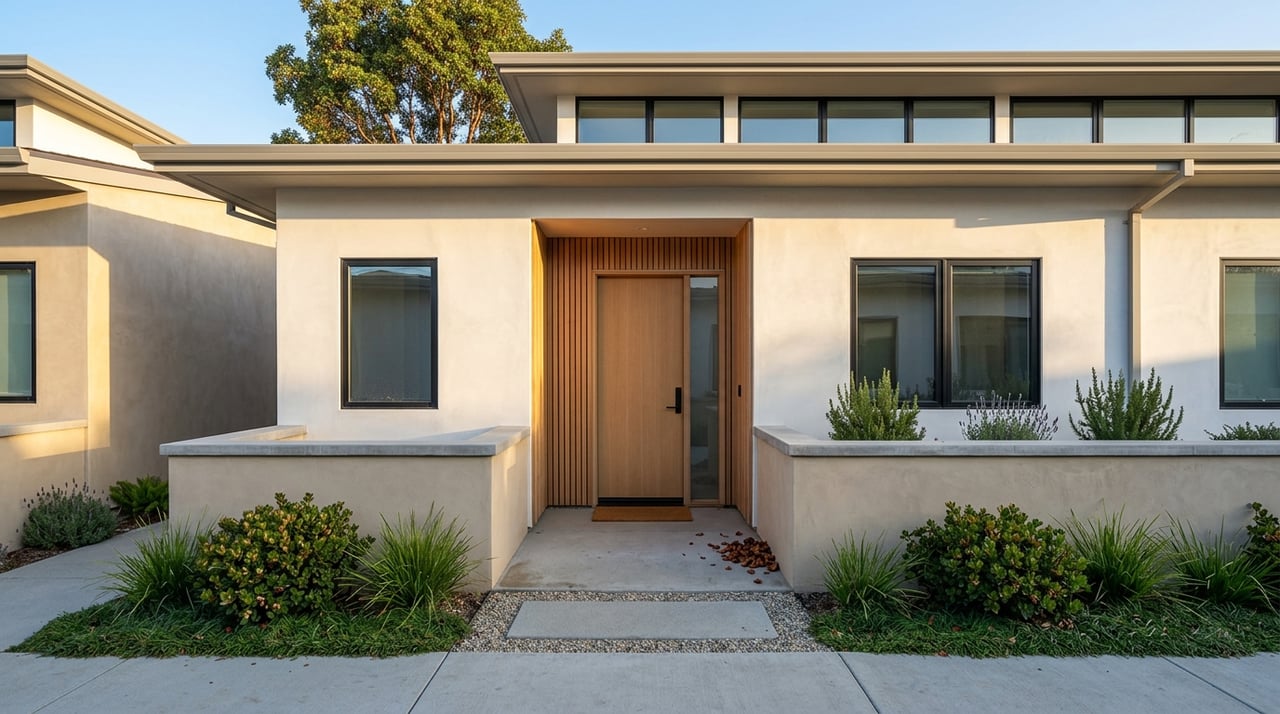
Planning materials describe areas like Grant Road/Sylvan Park and Miramonte/Springer Road as predominantly single-family residential, with some higher-intensity housing and commercial uses near major corridors. In practical terms, these parts of Mountain View tend to reflect a more traditional suburban rhythm.
Your daily routine here may involve quieter streets, more separation between home and commercial areas, and a greater reliance on biking or driving for some trips. For some buyers, that balance feels more comfortable and familiar.
Mixed-Use Districts Are More Spread Out
Areas such as Moffett/Whisman and San Antonio/Rengstorff include a mix of light industrial, retail, and residential uses, along with longer blocks and cul-de-sacs. That usually means daily life feels more spread out than downtown.
You may still have strong access to local amenities, but the experience is less centered on walking from place to place. In these areas, biking, driving, and shuttle connections often play a larger role in everyday routines.
Neighborhood Identity Is Local and Specific
Mountain View also appears to have strong neighborhood-level identity. The city’s Neighborhood Grant Program lists groups including Old Mountain View, Cuesta Park, Gemello, Monta Loma, North Whisman, Rex Manor, Shoreline West, Springer Meadows, Springer Tree, and Waverly Park.
That is a useful reminder that Mountain View is not one uniform experience. If you are deciding where to live, the right fit often comes down to the smaller area, not just the city name.
Parks and Trails Shape Daily Routines
Mountain View stands out for how easy it is to build outdoor time into a normal week. The city’s Parks and Trails department says it maintains 45 urban parks and 9.95 miles of bicycle and pedestrian trails, along with more than 10.5 miles of paved Class 1 trails in key corridors.
That means your options go beyond the occasional weekend outing. In many parts of the city, a walk, bike ride, dog outing, or quick park stop can fit naturally into your regular schedule.
Shoreline Is a Major Lifestyle Amenity
Shoreline at Mountain View is a 750-acre wildlife refuge and recreation area along San Francisco Bay. It is one of the city’s signature destinations for trails, wildlife habitat, golf, sailing, and amphitheater events.
For residents, Shoreline adds something many Silicon Valley communities cannot match at the same scale. It gives you a large open-space destination close to home for after-work exercise, weekend recreation, and time outdoors that does not feel repetitive.
The city also notes that Shoreline is connected by the Stevens Creek Trail, Permanente Creek Trail, and Bay Trail. Those routes support walking, biking, recreation, and commuting, which says a lot about how outdoor access and transportation overlap in Mountain View.
Neighborhood Parks Support Repeat Use
Big destinations matter, but neighborhood parks often shape everyday life even more. The city’s park listings show how amenity-rich some of these spaces are.
For example, Cuesta Park includes BBQ facilities, bocce, fitness equipment, an off-leash dog area, tennis, volleyball, a playground, restrooms, and a walking path. Cooper Park includes athletic fields, a tennis court, an off-leash dog area, and a playground. These are the kinds of places that make short, repeat visits realistic instead of turning every outing into a special trip.
A newer addition is the Rengstorff Park Aquatics Center, which opened in March 2025. The city says it includes lap-swim facilities, a recreation pool, a water slide, interactive water features, lockers, and year-round aquatics programming.
Getting Around Is Easier Than in Many Silicon Valley Cities
One reason Mountain View appeals to so many buyers and renters is that it offers several ways to get around. The city says the Downtown Transit Center is the hub of local transportation, bringing together Caltrain, VTA light rail, VTA buses, the Mountain View Community Shuttle, and MVgo.
That is a meaningful everyday advantage. In a region where many cities feel car-dependent, Mountain View gives you more flexibility for commuting, errands, and car-light living.
Transit Connections Start Downtown
The Caltrain Mountain View Station at 600 W. Evelyn Ave. includes bike racks, on-demand BikeLink lockers, parking, and connections to multiple VTA and MVgo routes. The city describes the downtown Caltrain station as one of the busiest and most convenient in Silicon Valley.
If you commute within the Peninsula or to nearby job centers, that central transit access can shape your home search in a major way. Living near downtown often means saving time and reducing the friction of everyday travel.
Free Shuttles Add Practical Value
Mountain View’s Community Shuttle and MVgo services add another layer of convenience. The free Community Shuttle stops at 50 locations throughout town on weekdays and weekends, while MVgo runs four commute-hour routes connecting the Transit Center to North Bayshore, East Whisman, San Antonio, and downtown.
For residents, this can make a real difference in last-mile commuting and daily errands. It also helps explain why Mountain View often feels more transit-friendly than people expect.
Roads Still Matter Too
Of course, driving remains part of life here. Mountain View has direct access to Highway 101, Highway 85, Highway 237, El Camino Real, and Central Expressway, according to the city’s transportation materials.
That mix of road access, transit, sidewalks, bike lanes, and trails is part of what makes Mountain View feel unusually balanced for Silicon Valley. It supports several different lifestyles instead of forcing everyone into the same pattern.
Work and Daily Rhythm Are Closely Linked
Mountain View’s daily pace is closely tied to major employers in and around the city. A city community profile identifies employers including Google, Intuit, LinkedIn, Microsoft, Waymo, Nuro, Bytedance, El Camino Hospital, and Sutter Health Palo Alto Medical Foundation.
Downtown also includes many small to mid-size startup companies. That means everyday life in Mountain View is shaped by a steady flow of commuters, hybrid work schedules, lunch traffic, coffee meetings, and services designed around a professional workforce.
For many residents, that creates convenience. You may be close to work, transit, dining, and outdoor space all at once, which can make weekly routines feel more efficient.
Renters Should Know the Local Housing Rules
If you are planning to rent in Mountain View, local housing regulations can affect your experience. The city’s Rent Stabilization Division says that most apartments with three or more units built before February 1, 1995 are fully covered by the Community Stabilization and Fair Rent Act, while many buildings from 1995 to 2017 have eviction protections only.
The city also adopted a mobile home rent stabilization ordinance in 2021. If you are comparing rental options, it is worth understanding how these rules apply to the specific property you are considering.
Mountain View Is Still Evolving
Another important part of everyday life is understanding where the city may be headed. The approved North Bayshore Master Plan envisions up to 7,000 homes, 26.1 acres of parks and open space, retail, community facilities, office space, and new bicycle and pedestrian improvements.
Even if you do not plan to live in North Bayshore, this matters because it points to long-term changes in housing, mobility, and the balance between jobs and residences. For buyers, sellers, and landlords, that future direction is part of the bigger picture.
What Everyday Life Usually Feels Like
In simple terms, everyday life in Mountain View often feels like a blend of convenience and flexibility. You can find walkable blocks and transit-oriented living near downtown, more traditional residential patterns in single-family areas, and strong access to parks and trails across the city.
That mix is a big reason Mountain View continues to draw attention from buyers, renters, and owners alike. It offers a practical, connected lifestyle without feeling one-dimensional.
If you are trying to decide which part of Mountain View fits your goals, or you want guidance on buying, selling, renting, or landlord support in Silicon Valley, Clara Lee can help you sort through the details with a calm, organized approach.
FAQs
What is everyday life like in downtown Mountain View?
- Downtown Mountain View is centered on walkable Castro Street, with restaurants, shops, civic spaces, performing arts, and direct access to transit through the Downtown Transit Center.
What is daily transportation like when you live in Mountain View?
- Mountain View offers a mix of Caltrain, VTA light rail, VTA buses, free local shuttles, bike routes, trails, and major road access, giving residents several options for commuting and errands.
What outdoor activities are available in Mountain View day to day?
- Residents have access to 45 urban parks, local walking and biking trails, neighborhood dog areas and playgrounds, and larger recreation at Shoreline at Mountain View.
What parts of Mountain View feel most walkable?
- City materials identify the Central Neighborhood around Castro Street and the Downtown Transit Center as the most walkable, mixed-use, and urban-feeling part of Mountain View.
What should renters know about living in Mountain View?
- Renters should review local rent stabilization and eviction protection rules, since coverage can vary depending on the age and type of the property.