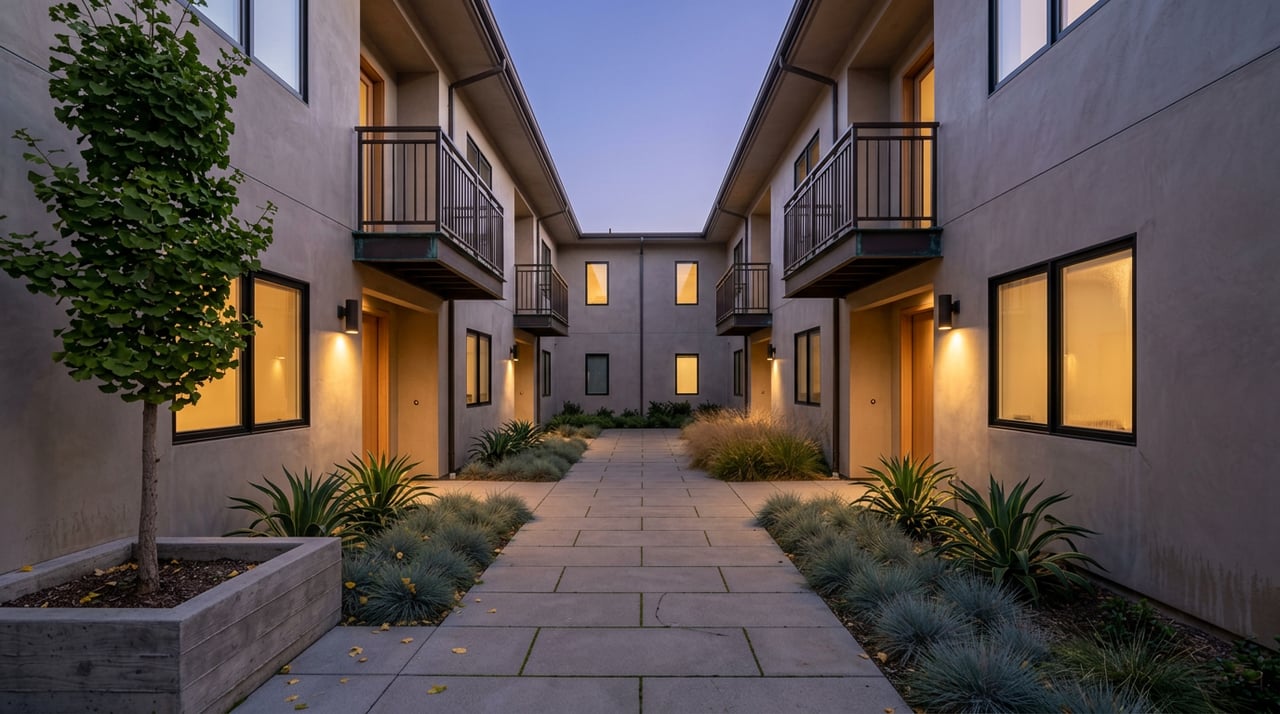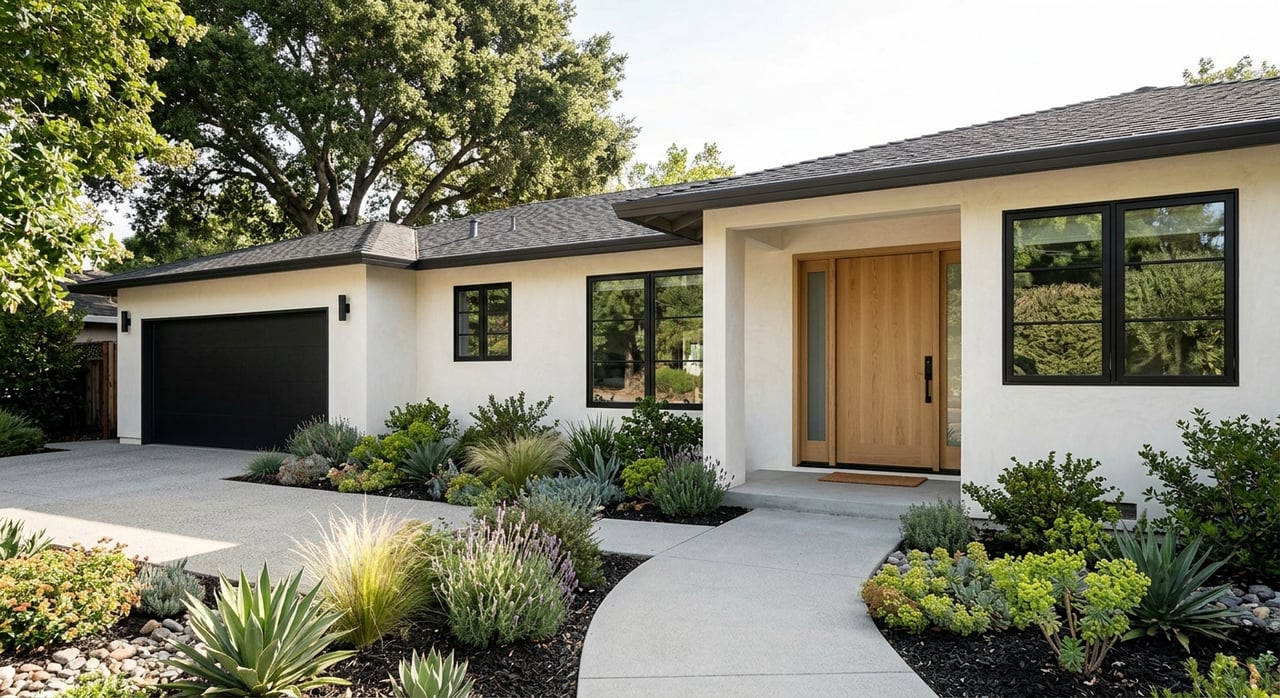
If you are thinking about selling in Mountain View, timing your prep work matters more than ever. In a market where homes moved in about 9 days and received about 3 offers on average in March 2026, your first impression can shape how quickly and confidently buyers respond, according to Redfin’s Mountain View housing market data. A clear plan helps you focus on the updates that matter, avoid city-related delays, and get your home ready for photos and showings with less stress. Let’s dive in.
Why prep matters in Mountain View
Mountain View is a somewhat competitive market, and some homes sell above list price, based on Redfin’s local market report. That does not mean every home will sell quickly without preparation. It means buyers are moving fast, and well-prepared homes are often in a stronger position from day one.
Your prep plan should focus on what buyers notice first. In practice, that usually means visible condition, clean presentation, strong listing photos, and a smooth path through disclosures and paperwork. The goal is not to over-improve. The goal is to remove friction before your home hits the market.
Start 6 to 8 weeks early
The best time to begin is usually 6 to 8 weeks before you want to list. That gives you time to sort repairs, check whether any planned work needs permits, and avoid last-minute decisions that can create delays.
If you wait too long, even simple projects can become stressful. Contractors may need time, city reviews may affect your schedule, and staging is most effective when your home is already decluttered and camera-ready.
Fix the issues that matter first
Start with repairs that affect safety, function, or buyer confidence. This includes water intrusion, roofing concerns, HVAC problems, plumbing issues, electrical concerns, and obvious defects that may stand out during showings or inspections.
Cosmetic projects can help, but they should come after the essentials. Mountain View notes that minor repairs or modifications such as drywall, painting, and carpeting generally do not require a building permit, while reroofing, porch replacement, AC units, water heaters, and windows generally do, according to the City’s single-family residential guidance.
Check permit triggers before work begins
Before you hire vendors, make sure your project scope matches local requirements. The City of Mountain View states that permits are required before construction for additions or remodels, and some projects may require building, electrical, mechanical, plumbing, or demolition permits, as outlined in the City’s residential planning information.
For some homeowners, this is the step that protects the listing timeline. If you are doing more than basic cosmetic work, it is smart to confirm whether the project needs city review before assuming it can be completed quickly.
Know the faster permit options
Some projects may qualify for faster processing. Mountain View offers ExpressPermitsMV for select projects, including single-family remodels of 600 square feet or less and additions under 500 square feet, and the City also offers same-day permits for some project types.
If your repair list is growing, this can make a real difference. A local contractor who understands the city’s permit paths and scheduling rules can help you avoid unnecessary delays.
Watch for property-specific issues
Some homes need extra planning because of lot conditions or prior improvements. Mountain View notes that certain situations can trigger additional review, including additions to nonconforming homes, some creek-adjacent lots of 10,000 square feet or more, and exterior changes to historic homes, based on the City’s single-family residential rules.
If your home has a larger lot, prior additions, or unusual site conditions, it is worth checking early. The City also encourages a free informal review with Planning and Public Works staff before drafting permit plans for larger projects, with applications submitted through ePermitsMV.
Plan for local timeline issues
A few Mountain View-specific issues can affect your prep calendar more than sellers expect. These do not apply to every property, but when they do, they can add steps to your schedule.
Heritage trees can affect projects
If your project involves tree removal, do not assume it is a quick decision. Mountain View requires a permit to remove a Heritage tree, and the City notes that removal without approval can trigger penalties. The City’s Heritage tree removal guidance also explains replacement or in-lieu fee requirements.
Sewer lateral rules may apply
For some larger projects, Mountain View requires a sewer lateral inspection before the City issues the building permit. This can apply to new single-family homes and some additions or remodels that cumulatively exceed the equivalent cost of a 600-square-foot addition within the last 5 years, according to the City’s sewer lateral inspection requirements.
Flood zones may change construction requirements
Some Mountain View properties are located in flood zones. The City notes that substantial improvements in those areas can trigger special construction requirements, which is another reason to verify project scope before you start, based on the City’s planning guidance.
Stage 1 to 2 weeks before listing
Once repairs are wrapped up, shift your attention to presentation. In a fast-moving market, buyers often meet your home online before they ever see it in person. That makes decluttering, staging, photography, video, and virtual tours part of the sales strategy, not just finishing touches.
According to the 2025 NAR Profile of Home Staging Report, 83% of buyers’ agents said staging made it easier for buyers to visualize a property as a future home. NAR also found that photos, physical staging, videos, and virtual tours were especially important to buyers’ agents, based on its 2025 staging snapshot.
Focus on the rooms buyers notice most
If you are prioritizing where to spend time or money, start with the spaces buyers tend to care about most. NAR found the most important rooms to stage were the living room, primary bedroom, and kitchen, according to the full 2025 staging report.
That means your prep checklist should usually include:
- Removing extra furniture
- Clearing countertops and open surfaces
- Depersonalizing wall art and shelves
- Refreshing bedding and soft goods
- Making sure lighting works well for photos
Keep the budget practical
Staging does not always require a major spend. NAR reported a median cost of $1,500 for staging services and a median of $500 for seller-agent self-staging, according to the 2025 report.
In Mountain View, where digital presentation can influence buyer interest quickly, decluttering and photography are often a better use of time than chasing small cosmetic fixes right before launch. If you need temporary storage while clearing out the home, remember that Mountain View says PODs or other storage units are not allowed on the public roadway, based on the City’s residential guidance.
Organize inspections and paperwork early
Good prep is not only about how the home looks. It is also about having your records, inspection scheduling, and disclosure materials in order before buyers start asking questions.
Coordinate inspections carefully
If you completed permitted work, pay attention to city inspection timing. Mountain View states that building inspection requests can be submitted online 24 hours a day, and requests received by 3:00 PM on a business day are typically scheduled for the next business day. Requests submitted later usually roll to the second business day.
The City also notes that if the project is not ready, a re-inspection fee may apply. Fire protection inspections require at least five business days’ notice, and Public Works inspections require at least 48 hours’ notice before work begins, according to the City’s inspection scheduling page.
Gather your records before launch
Before listing, assemble the documents a buyer may reasonably want to review. This may include:
- Permit records
- Contractor invoices and receipts
- Heritage tree paperwork, if applicable
- Sewer lateral-related records, if applicable
- Property condition disclosure forms
- Natural hazard disclosure materials
- Lead-related records for qualifying older homes
Having these ready can reduce back-and-forth during escrow and help you answer questions with confidence.
Review disclosures before going live
California sellers have important disclosure obligations, so this is not a step to leave until the last minute. The state’s Real Estate Transfer Disclosure Statement is used to disclose the property’s condition, and California’s Natural Hazard Disclosure law applies when the seller or agent must disclose whether a parcel is located in certain hazard zones, including flood, fire, earthquake fault, seismic, or wildland-fire zones.
If your home was built before 1978, federal lead rules may also apply. The EPA states that sellers of most pre-1978 housing must provide the lead-paint pamphlet, disclose known lead information, share available records and reports, include a lead warning statement, give buyers a 10-day opportunity to conduct a lead inspection, and retain signed disclosures for three years, according to the EPA’s lead disclosure requirements for real estate.
If you are planning renovation, repair, or painting work in a pre-1978 home before listing, the EPA also says paid work that disturbs paint should be performed using lead-safe certified contractors and lead-safe work practices, based on the EPA’s Renovate Right guidance.
A simple Mountain View prep checklist
If you want a straightforward way to think about the process, here is a practical timeline:
6 to 8 weeks out
- Walk through the home and identify priority repairs
- Separate cosmetic projects from permit-related work
- Check Mountain View permit triggers before work starts
- Review whether your property has tree, flood-zone, or sewer-related issues
- Schedule contractors and build in buffer time
2 to 3 weeks out
- Finish repairs and touch-ups
- Start deep cleaning and decluttering
- Gather permits, invoices, and disclosure-related records
- Confirm any required inspections are complete or scheduled
1 to 2 weeks out
- Stage key rooms
- Remove personal items and excess furniture
- Arrange photography, video, and virtual tour assets
- Review disclosure package for accuracy and completeness
- Prepare the home for showings
The goal is a smoother launch
Selling in Mountain View is not just about putting a sign in the yard. It is about making smart decisions in the right order so your home shows well, your paperwork is ready, and your timeline stays on track.
A structured prep plan can reduce stress, help you avoid unnecessary work, and put your home in a stronger position when buyers first see it online. If you want a calm, step-by-step plan tailored to your property and timing, connect with Clara Lee for guidance and a free home valuation.
FAQs
What should I fix first before selling a home in Mountain View?
- Start with safety issues, water intrusion, mechanical systems, and visible defects that could slow buyer interest or trigger permit review. Mountain View generally allows minor cosmetic work like paint, drywall, and carpet without a permit, but larger replacements and remodel-related work often need one.
When should I stage my Mountain View home before listing?
- Ideally, stage before photography and before your home goes live. NAR found that staging helps buyers visualize the home, and buyers’ agents place high importance on photos, videos, virtual tours, and physical staging.
Do I need city permits for pre-sale work on a Mountain View home?
- If your work goes beyond basic cosmetic updates, possibly yes. Mountain View requires permits for many larger projects and certain component replacements, so it is wise to verify requirements before work begins.
What documents should I gather before listing a Mountain View property?
- Gather permit records, contractor invoices, any tree or sewer-related paperwork, and disclosure materials such as the TDS, natural hazard disclosures, and lead-related documents if the home qualifies.
Do older homes in Mountain View need lead disclosures when sold?
- If the home was built before 1978, federal rules may require lead disclosures. Sellers of most pre-1978 housing must provide the lead-paint pamphlet, disclose known lead information, and follow other EPA requirements.
Can I use a POD while decluttering a home in Mountain View?
- Not on the public roadway. Mountain View states that PODs and other storage units are not allowed on the public roadway, so plan storage placement carefully during your pre-listing prep.