If you are trying to picture daily life in Sunnyvale, you are probably asking a practical question: what does it actually feel like to live there day to day? Beyond the city’s tech identity, Sunnyvale offers a mix of parks, trails, dining, community events, and neighborhood routines that shape how people spend their time. This guide walks you through the places, patterns, and housing mix that give Sunnyvale its everyday rhythm, so you can get a clearer sense of whether it fits your lifestyle. Let’s dive in.
Sunnyvale Balances Energy And Ease
Sunnyvale describes itself as a mild, sunny, technology-centered city that also includes quiet residential neighborhoods and a diverse community. That combination helps explain why the city appeals to people looking for both convenience and breathing room.
You can see that balance in how the city is set up. Downtown offers dining, events, and mixed-use activity, while parks and neighborhood amenities are spread throughout Sunnyvale rather than clustered in just one area. For buyers and renters alike, that can make everyday life feel more flexible and connected.
Parks Shape The Weekly Routine
Outdoor space is one of the clearest parts of Sunnyvale living. The city reports 772 acres of parks and open space, with 27 parks plus golf, tennis, swimming, a library, and an arts complex as part of its broader recreation system.
Many parks include picnic areas, playgrounds, and sports fields or facilities, and most neighborhood parks are open from sunrise to sunset. The city’s trails are free to the public and open every day of the year, which makes them easy to build into your daily or weekend routine.
Baylands Adds A Different Feel
Baylands Park is one of the city’s best-known outdoor anchors, and the Sunnyvale Baylands includes a 105-acre protected wetlands preserve. That gives Sunnyvale a shoreline-edge experience that feels different from a typical neighborhood park.
The city also highlights Baylands Birding Tours along the Bay Trail, which shows that this area is used as an active recreation space, not just a scenic backdrop. If you enjoy walking, biking, or spending time outdoors, this part of Sunnyvale adds a distinctive layer to city life.
Trails Connect More Than Recreation
Sunnyvale’s trail network supports both leisure and movement across the city. The John W. Christian Greenbelt runs 2.7 miles across Sunnyvale, while the Spur Trail and Calabazas Creek Trail add more walking and biking options.
These routes matter because they are part of how some residents move through their neighborhoods. They can support a morning walk, an after-work bike ride, or a lower-car routine for certain households.
Neighborhood Parks Are Widespread
Sunnyvale’s parks are not limited to one district. The city directory includes places such as Ortega Park, Las Palmas Park, Ponderosa Park, Seven Seas Park, Lakewood Park, and Baylands Park, among many others.
That broad distribution helps create a local feel in different parts of the city. Instead of relying on one major destination, many residents have a park or open space woven into their immediate area.
Downtown Sunnyvale Centers Dining And Events
If parks shape the outdoor side of Sunnyvale, downtown shapes much of the city’s social rhythm. The city says historic downtown Sunnyvale is home to local eateries and merchants and hosts frequent art festivals, concerts, and a year-round farmers’ market.
That mix gives downtown an everyday role as well as an event role. It is a place where you might grab a meal midweek, run errands, or spend time during a community event on the weekend.
Murphy Avenue Sets The Tone
Murphy Avenue is the key dining corridor in the city’s own planning materials. Sunnyvale describes it as a popular dining and entertainment destination, and the 100 block is being converted into a pedestrian mall to allow businesses to expand outdoor dining onto their street frontages.
That tells you something important about the direction of downtown. The city is leaning into a more walkable, street-level experience where dining and gathering play a larger role in daily life.
Cityline Expands Downtown Living
Cityline adds another layer to the downtown core. The city describes it as a 36-acre site with retail, dining, entertainment, residential, and office space.
For you as a buyer, renter, or seller, that means downtown Sunnyvale is not just a place to visit. It is increasingly a mixed-use environment where housing, errands, meals, and activity sit close together.
Community Spaces Add Year-Round Activity
Sunnyvale’s lifestyle is not built on restaurants and parks alone. The Sunnyvale Community Center serves as a major recreation campus with performing and creative arts centers, indoor sports, a senior center, and a historical museum.
The city also says many sponsored community activities take place there. Along with special events such as the 4th of July Festival, that helps create a steady calendar of public life beyond the downtown dining scene.
Neighborhood Rhythm Feels Local
One reason Sunnyvale can feel grounded despite its size is that neighborhood life has its own structure. The city has many Neighborhood Associations, which it says provide opportunities to meet neighbors, engage in social activities, promote community pride, and improve local safety.
That supports the idea that Sunnyvale is organized around local-scale connections, not just major destinations. For many people, the experience of living here is tied as much to nearby parks, local routes, and community touchpoints as it is to downtown.
Village Centers Support Daily Convenience
At the planning level, Sunnyvale has seven Village Center neighborhoods. These are intended to serve nearby residential areas and are located within walking and biking distance of homes, with pedestrian, bicycle, and transit connections.
That planning approach reinforces a practical lifestyle theme. In Sunnyvale, convenience often comes from having everyday amenities distributed across the city rather than concentrated in only one core area.
Housing Styles Are Varied
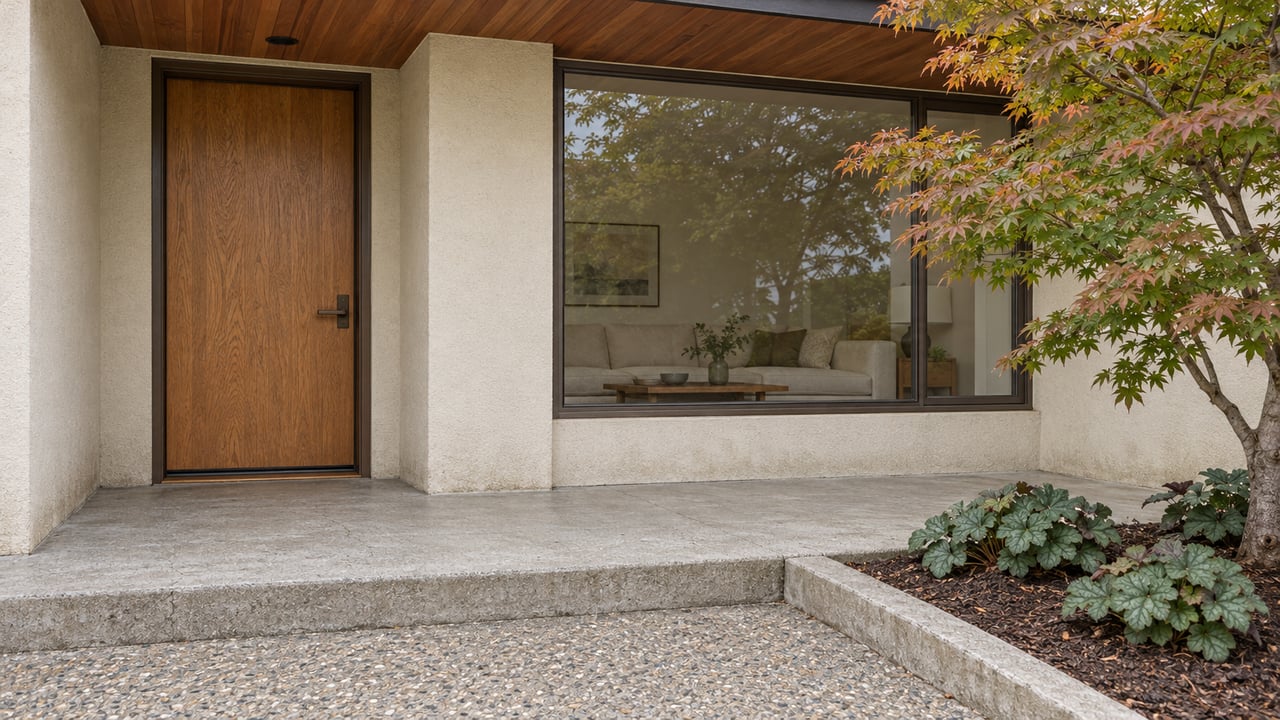
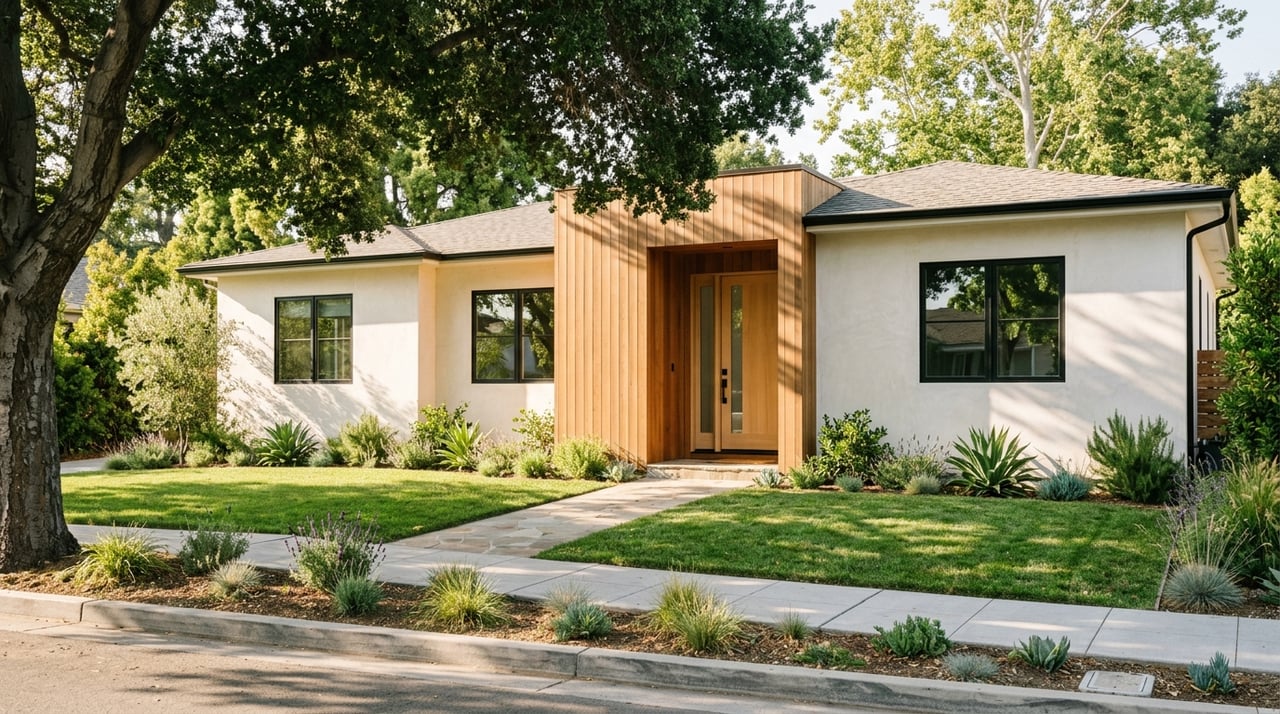
Sunnyvale’s housing stock is mixed, which is important if you are trying to match a home search to your lifestyle and budget. The city’s design guidelines refer to neighborhoods with a large number of Eichler or similar flat and shed-roof homes, showing that parts of Sunnyvale still have a recognizable older residential character.
At the same time, city planning materials point to newer infill housing, townhome-style condominiums, multifamily units, and ADUs. The city also allows ADUs on both single-family and multifamily properties.
This variety matters because Sunnyvale is not a one-product housing market. You will find older single-family neighborhoods, condos and townhomes, rental options, and newer mixed-use housing types coexisting across the city.
Ownership And Renting Both Matter
Census QuickFacts estimate Sunnyvale’s population at 156,577 in July 2025. The same source reports an owner-occupied housing rate of 43.8% and a median gross rent of $3,039 in 2020-2024.
Those numbers help frame Sunnyvale as a city where both ownership and renting are central to the housing story. If you are relocating, moving up, downsizing, or exploring rental property decisions, that mix is part of what defines the market.
Commute Connections Support Flexibility
Commute convenience is another meaningful part of Sunnyvale living. The Sunnyvale Transit Center includes a Caltrain connection, 439 parking spaces, and 74 bicycle lockers, and VTA’s active route list includes Route 20 between Milpitas BART and Sunnyvale Transit Center and Route 53 between Sunnyvale Transit Center and Santa Clara Transit Center.
Caltrain also lists Sunnyvale as a wheelchair-accessible station. In February 2026, the city approved concept plans to improve walking and biking access to the Sunnyvale Caltrain Station, which shows continued investment in station access.
Lower-Car Routines Are Possible For Some
Not every household will organize life the same way, but Sunnyvale does offer options for people who want a more transit- and bike-connected routine. Between Caltrain, VTA service, bicycle facilities, and trail connections, some residents can reduce how often they rely on a car for every trip.
Regional data also supports Sunnyvale’s commute appeal. MTC’s Vital Signs report says Sunnyvale was among jobs-rich Silicon Valley communities where residents spent under 23 minutes getting to work each day on average in 2024.
What This Means For Buyers And Sellers
If you are buying in Sunnyvale, lifestyle fit often comes down to how you want your days to work. You may care most about trail access, downtown dining, commute options, or the feel of an older single-family area versus a newer townhome or mixed-use setting.
If you are selling, these same patterns can help shape how your home is positioned. A property’s relationship to parks, neighborhood amenities, downtown access, or transit connections may be part of what makes it stand out to the right buyer or renter.
Sunnyvale is not defined by just one image. It is a city where community spaces, outdoor routines, mixed housing, and practical commute links all play a role in daily life.
If you are considering a move in Sunnyvale and want a clear, low-stress plan for buying, selling, or renting, Clara Lee can help you evaluate neighborhood fit, timing, and next steps with a calm, organized approach.
FAQs
What is everyday life like in Sunnyvale, CA?
- Everyday life in Sunnyvale often centers on a mix of neighborhood parks, trails, downtown dining, community events, and commute-friendly connections.
What parks and trails are popular in Sunnyvale?
- City-highlighted outdoor spaces include Baylands Park, the 105-acre Sunnyvale Baylands preserve, the John W. Christian Greenbelt, the Spur Trail, and Calabazas Creek Trail.
What is downtown Sunnyvale known for?
- Downtown Sunnyvale is known for local eateries, merchants, frequent art festivals, concerts, a year-round farmers’ market, Murphy Avenue dining, and the mixed-use Cityline area.
What types of homes are found in Sunnyvale?
- Sunnyvale includes older single-family neighborhoods, Eichler-style homes in some areas, newer infill housing, townhome-style condos, multifamily properties, and ADUs.
Is Sunnyvale good for commuters?
- Sunnyvale offers Caltrain access, VTA bus connections, bike facilities at the Transit Center, and city-backed station access improvements that support commute flexibility for many households.
Does Sunnyvale have both rental and ownership housing?
- Yes. Census QuickFacts show an owner-occupied housing rate of 43.8% and a median gross rent of $3,039, reflecting a city where both renting and ownership are important parts of the housing mix.